Tourist Visa in Thailand
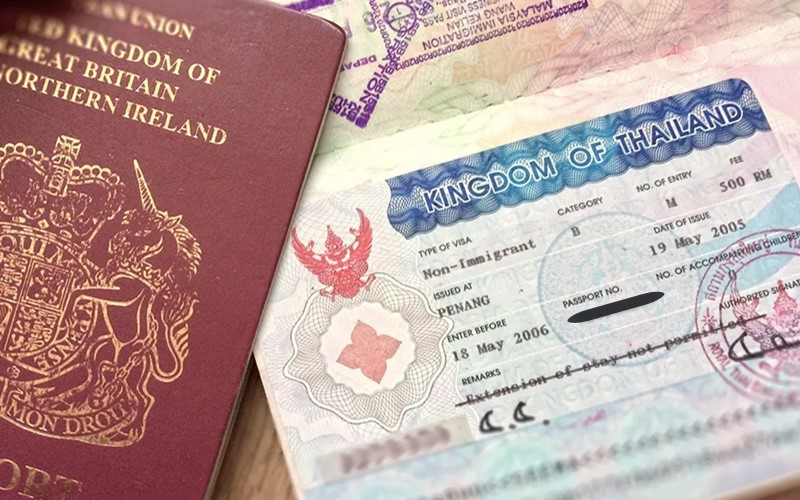
Tourist Visa in Thailand. Thailand remains one of the most visited countries in the world, attracting millions of travelers each year for tourism, leisure, medical treatment, and short-term personal visits. While many nationalities benefit from visa exemption or visa-on-arrival schemes, a Thai Tourist Visa remains a crucial legal instrument for visitors who intend to stay longer, enter multiple times, or do not qualify for visa-free entry. Understanding the legal structure of Thailand’s tourist visa system is essential to avoid overstays, entry refusals, or future immigration complications.
This article provides an in-depth overview of tourist visas in Thailand, including the legal basis, types of tourist visas, eligibility requirements, application procedures, permitted activities, extensions, restrictions, and common compliance issues.
1. Legal framework governing tourist visas in Thailand
Tourist visas are governed by:
-
The Immigration Act B.E. 2522 (1979)
-
Ministerial regulations issued by the Ministry of Interior
-
Immigration Bureau policies and administrative guidelines
-
Consular regulations applied by Thai embassies and consulates
The Immigration Bureau has broad discretionary authority over visa issuance, entry permission, extensions, and enforcement.
2. Purpose and nature of a Thai tourist visa
A tourist visa is intended strictly for temporary visits such as:
-
Tourism and sightseeing
-
Visiting friends or family
-
Medical treatment
-
Leisure activities
It does not permit employment, business operations, or income-generating activities within Thailand. The visa merely allows the holder to request entry; final permission is granted by immigration officers at the port of entry.
3. Types of tourist visas in Thailand
Single-entry tourist visa
-
Valid for entry within 3 months from issuance
-
Permits a stay of up to 60 days
-
Can be extended once in Thailand
Multiple-entry tourist visa (METV)
-
Valid for 6 months
-
Allows multiple entries
-
Each entry permits a stay of up to 60 days
The appropriate visa depends on travel frequency and duration.
4. Eligibility requirements
While specific requirements vary by embassy, general eligibility includes:
-
A valid passport (typically at least 6 months validity)
-
Proof of onward or return travel
-
Evidence of sufficient financial means
-
Proof of accommodation in Thailand
-
No immigration blacklisting or overstay history
Thai embassies retain discretion to request additional documentation.
5. Application process outside Thailand
Tourist visas must generally be obtained from:
-
Thai embassies
-
Thai consulates
The typical process includes:
-
Submission of visa application form
-
Provision of supporting documents
-
Payment of visa fees
-
Processing and issuance
Applications must be made outside Thailand; tourist visas cannot be issued domestically.
6. Financial evidence requirements
Applicants may be required to show:
-
Bank statements
-
Proof of income
-
Cash on hand upon arrival
Insufficient financial evidence is a common reason for visa refusal or entry denial.
7. Entry permission and stay duration
Upon arrival, immigration officers stamp the passport with:
-
Entry date
-
Authorized length of stay (usually 60 days)
The visa itself does not determine the stay period; the entry stamp does.
8. Extension of stay for tourist visas
Tourist visa holders may apply for:
-
A 30-day extension at a local Immigration Office
Extensions are discretionary and subject to:
-
Valid reason
-
Proper documentation
-
No prior violations
Overstaying even by one day carries penalties.
9. Tourist visa vs. visa exemption
Many travelers confuse tourist visas with visa exemption.
Key differences:
-
Visa exemption is granted on arrival
-
Tourist visas are issued in advance
-
Tourist visas allow longer initial stays
-
Tourist visas may reduce border scrutiny for frequent visitors
Frequent visa-exempt entries may trigger scrutiny.
10. Prohibited activities under a tourist visa
Tourist visa holders may not:
-
Work or volunteer
-
Conduct business activities
-
Teach, perform services, or receive compensation
-
Engage in long-term study
Violation can result in visa cancellation, detention, fines, and blacklisting.
11. Working illegally on a tourist visa
Employment without proper authorization constitutes illegal work. Consequences include:
-
Fines
-
Detention and deportation
-
Entry bans
-
Employer penalties
A work permit and proper visa category are required for lawful employment.
12. Multiple entries and border runs
While tourist visas allow lawful entry, repeated use may attract scrutiny. Immigration officers may assess:
-
Frequency of visits
-
Length of stays
-
Purpose of travel
-
Travel history
Tourist visas are not intended for long-term residence.
13. Grounds for visa refusal or entry denial
Common reasons include:
-
Inconsistent travel history
-
Prior overstays
-
Insufficient funds
-
Suspicion of illegal work
-
Misrepresentation
Visa issuance does not guarantee entry.
14. Overstay penalties and consequences
Overstay penalties include:
-
Daily fines
-
Detention
-
Deportation
-
Entry bans for serious violations
Even short overstays can impact future visa applications.
15. Conversion of tourist visa to other visa types
In limited circumstances, tourist visas may be converted to:
-
Non-Immigrant visas (e.g., marriage, retirement)
Conversions are discretionary and subject to strict conditions.
16. Special considerations for medical tourism
Tourist visas are commonly used for medical treatment. Supporting documents from hospitals may be required, and extensions may be granted where treatment is ongoing.
17. Impact of tourist visas on long-term immigration planning
Tourist visas are not a substitute for:
-
Retirement visas
-
Marriage visas
-
Business or employment visas
Using tourist visas for de facto residence may lead to future restrictions.
18. Compliance best practices
Visitors should:
-
Respect authorized stay periods
-
Avoid prohibited activities
-
Keep travel and financial documents available
-
Plan extensions in advance
-
Maintain a clean immigration record
Compliance protects future travel eligibility.
19. Role of legal and visa professionals
Professional assistance may help with:
-
Visa strategy
-
Application preparation
-
Immigration compliance
-
Risk assessment for frequent travelers
Legal advice is particularly valuable in complex cases.
Conclusion
The Thai tourist visa is a flexible but strictly regulated immigration instrument designed for genuine short-term visits. While it offers longer stays and greater predictability than visa exemption, it comes with clear limitations on activities and duration. Misuse of tourist visas can result in serious immigration consequences that affect long-term access to Thailand.
By understanding the legal framework, complying with immigration rules, and selecting the appropriate visa category, travelers can enjoy their stay in Thailand while maintaining a clean and lawful immigration record.

Leave a Reply